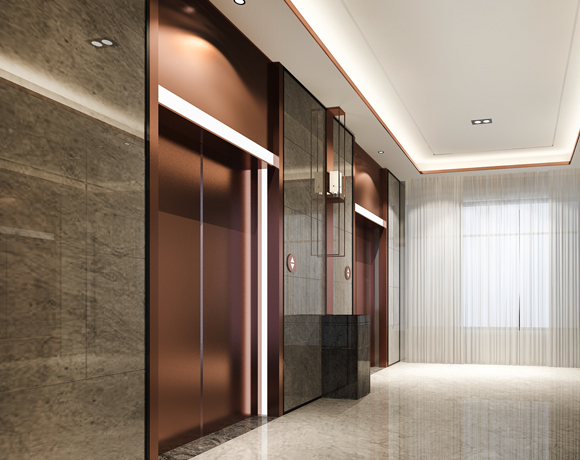
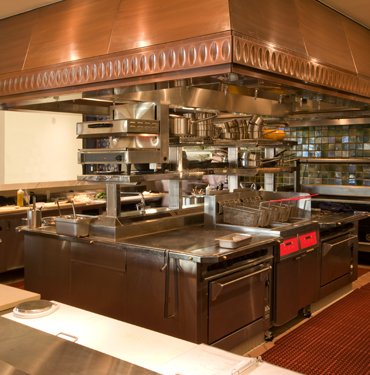
Across the United States, architectural metalwork has evolved alongside industry, craftsmanship, and cultural change. From hand-forged iron in the 1600s to the industrial power of the early 20th century, metals have shaped the look and function of American homes and buildings for more than three centuries.
Michigan, and especially Detroit, plays a remarkable role in this story. While many regions followed national design movements such as Victorian, Arts and Crafts, and Art Deco, Detroit developed its own hybrid style born from the Machine Age and the rise of the automobile industry. The city’s architecture showcases a level of metal innovation found almost nowhere else in the country.
This post explores the national timeline of architectural metal design while highlighting how Michigan carved out its own distinctive place within it.
Pre-Industrial Ironwork (1600s–1840s)
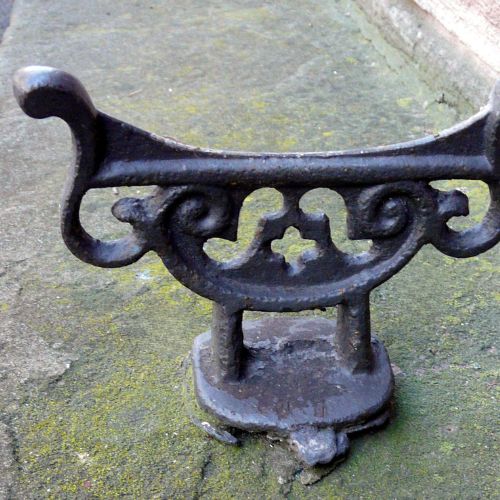
In the earliest period of American settlement, all metalwork was hand-forged. Architectural iron served purely functional roles—strap hinges, door latches, hooks, and simple grilles. The look was heavy, utilitarian, and irregular, shaped by the hammer and anvil.
This era appears in a few preserved Michigan structures and early farmhouses, though most examples survive on the East Coast.

The Victorian Era (1860–1900)
Industrialization transformed metal production. Nationwide, cast iron and cast bronze became common, allowing manufacturers to create intricate designs with mass efficiency.
Victorian metalwork featured scrolls, botanicals, complex patterns, and ornamental grilles. In Michigan, this era flourished in Detroit, Ann Arbor, Grand Rapids, and Bay City—and many examples still survive in historic districts.

Eastlake and Aesthetic Movement (1870–1890)
A geometric and disciplined response to Victorian excess, this style featured incised patterns, linework, and stylized ornament. Eastlake metalwork appears throughout the Midwest and is present in Michigan’s late 19th-century homes with original door plates, hardware, and decorative interior metals.

Art Nouveau (1890–1915)
Inspired by nature, Art Nouveau metalwork brought flowing, organic lines into architecture. Sculptural bronze doors, sinuous railings, and ornate grilles defined the style.
A great example nearby: Louis Comfort Tiffany’s bronze doors for C.D. Peacock Jewelers in Chicago, known for their botanical motifs and patinated bronze.
While rarer in Michigan residences, Art Nouveau can be seen in Detroit’s early 20th-century civic buildings and storefronts.

Beaux-Arts and Classical Revival (1895–1930)
This was the age of grand civic architecture—banks, museums, and theaters adorned with monumental bronze and brass.
Detroit’s early skyscrapers incorporated ornate metal entrances, grilles, and railings that remain regionally significant.


ART DECO (1920–1940)
Art Deco emerged during a dramatic shift in American life: the rise of industrial power, mass production, and the Machine Age. As factories, automobiles, and new technologies transformed the country, design followed suit. Art Deco embraced the energy of this era—sleek lines, streamlined forms, perfect symmetry, and materials that symbolized modern progress.
Metals were central to the style. Chrome, nickel, stainless steel, aluminum, and polished bronze reflected the optimism and precision of industrial manufacturing. Decorative metalwork no longer relied on ornate hand-forging traditions; instead, it celebrated machined edges, geometric patterns, and the glamour of modern engineering.
Few places embodied this transformation as powerfully as Detroit. As the epicenter of American manufacturing, Detroit became a laboratory for Art Deco’s bold aesthetic. The city’s architectural landmarks showcase some of the finest metalwork in the country—comparable to, and often surpassing, the work found in New York or Chicago.
The Guardian Building’s vivid metal detailing, the Fisher Building’s gilded ornamentation, and the Penobscot Building’s geometric grilles and fixtures are enduring examples of how Art Deco flourished in a city built on innovation and industry. Detroit didn’t just follow the Art Deco movement—it helped define it, fusing machine-age technology with world-class craftsmanship.


Detroit’s Unique Legacy: Machine Age, Automotive Deco & Motor City Streamline (1920s–1950s)
While other American cities embraced Deco and Moderne, Detroit created something new—a design identity born from machine plants, tool-and-die shops, and auto assembly lines.
Detroit’s contribution is not a footnote in design history—it’s a defining chapter.
Machine Age Industrial Modernism
• Brushed steel
• Ribbed or stamped metal panels
• Vent and grille motifs
• Industrial-inspired interiors
These elements defined industrial offices, auto-related buildings, and executive homes across Metro Detroit.
Automotive Deco
Detroit’s Art Deco took cues from automotive design, integrating:
• Chrome and nickel finishes
• Aerodynamic motifs
• Precision-built bronze details
No other U.S. city developed a Deco vocabulary so tied to its identity.
Motor City Streamline Moderne
As cars became sleeker, so did Detroit’s architecture: tubular chrome railings, curved corners, stainless storefronts, and horizontal aluminum banding—a blend of design and engineering unique to the Motor City.

Contemporary Metalwork (1970–Today)
Modern architecture continues to evolve with blackened steel, mixed metals, and sculptural bronze. Many Michigan projects today blend old-world craftsmanship with modern fabrication technology—honoring the state’s design heritage.
Why Michigan’s Metal Story Matters
Michigan doesn’t just reflect the national timeline—it adds to it.
- Detroit’s Machine Age forged a design language like no other
- The region boasts world-class Art Deco and Modernist metalwork
- Residential metal design echoes automotive engineering
- Skilled industrial metalworkers shaped the state’s architectural identity
Architectural Metal and Stone Restoration Services in Michigan
At Stone Restoration Services of Detroit, we restore, refinish, and protect architectural metals and natural stone throughout Southeast Michigan.
Architectural Metal Services
- Bronze, brass, copper, stainless steel, and aluminum
- Doors, grilles, railings, transoms, elevators and more
- Practical, decorative, historic, and industrial metal restoration
- Polishing, corrosion removal, patina conservation, and sealing
- Call us to discuss your project
Natural Stone Services
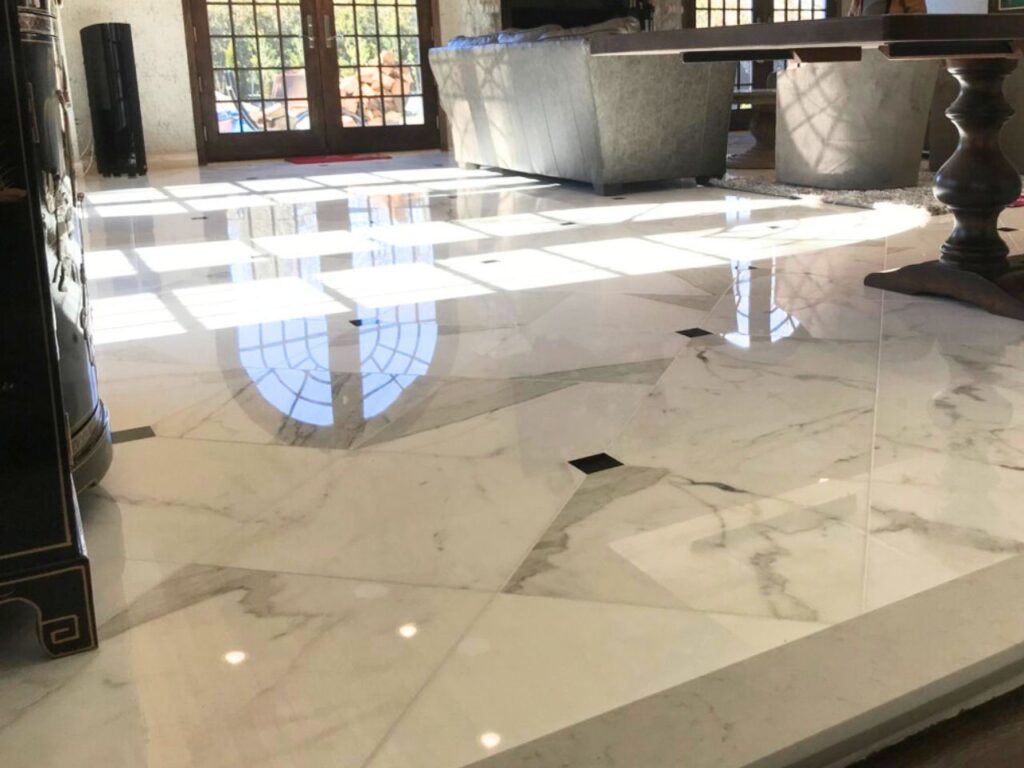
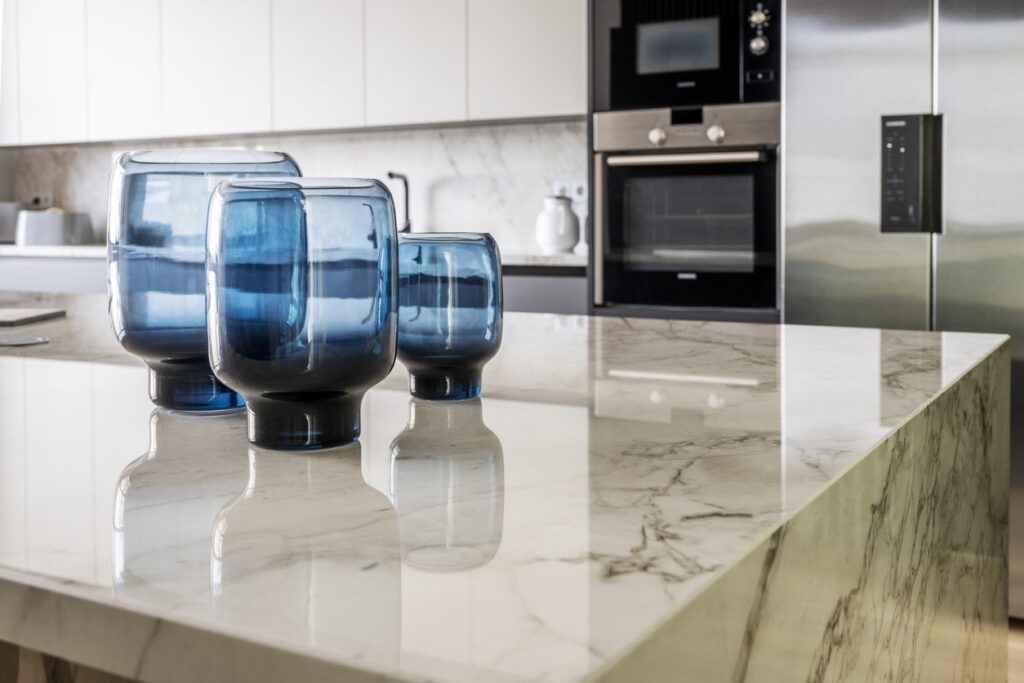
- We also clean, polish and protect natural stone
- Marble, granite, limestone, travertine, and terrazzo
- Polishing, honing, grinding, resurfacing
- Etch and stain removal
- Foyer, kitchen, shower, bath, and floor restoration
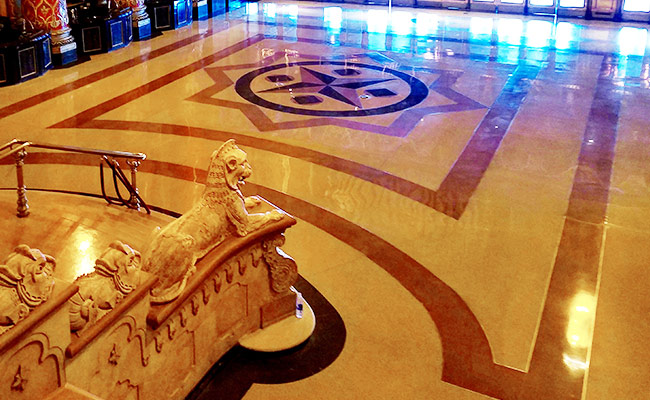
- Commercial lobby stone care and protective treatments
Interested in preserving Michigan’s design heritage?
Contact Stone Restoration Services of Detroit »
Call (248) 220-1672 to schedule an estimate for architectural metal restoration or stone care in Metro Detroit.