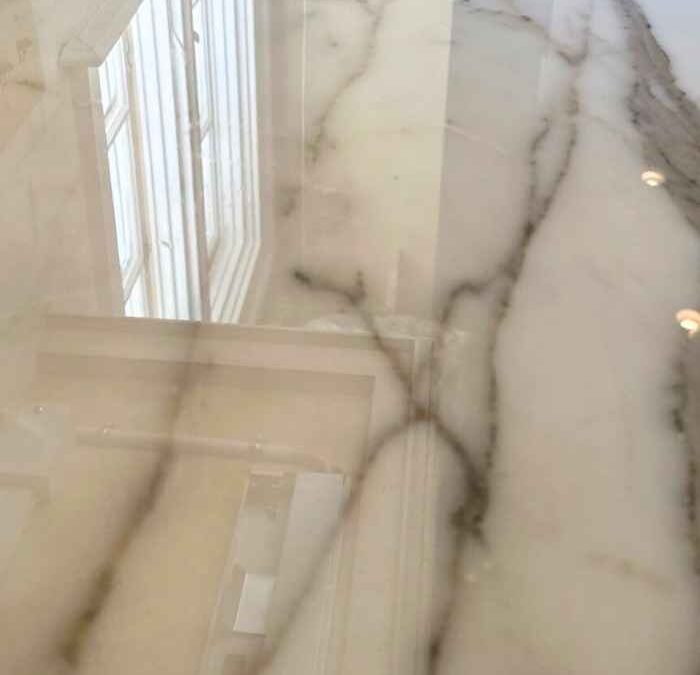
If you own natural stone countertops, floors, or other surfaces, you’ve probably wondered whether your stone needs to be sealed.
The answer depends on the type of stone, how porous it is, and how the surface is used. While many natural stones benefit from sealing, not all stones absorb liquids at the same rate, and some may require additional protection beyond traditional sealers.
Why Natural Stone Is Sealed

- Staining
- Discoloration
- Water damage
- Difficult cleaning and maintenance
Sealing helps reduce absorption and gives you more time to clean up spills before they penetrate the stone.
It’s important to understand that sealing primarily helps protect against staining. Stones that are vulnerable to etching, such as marble and limestone, may require additional protection strategies if etching is a concern.
Does Marble Need to Be Sealed?
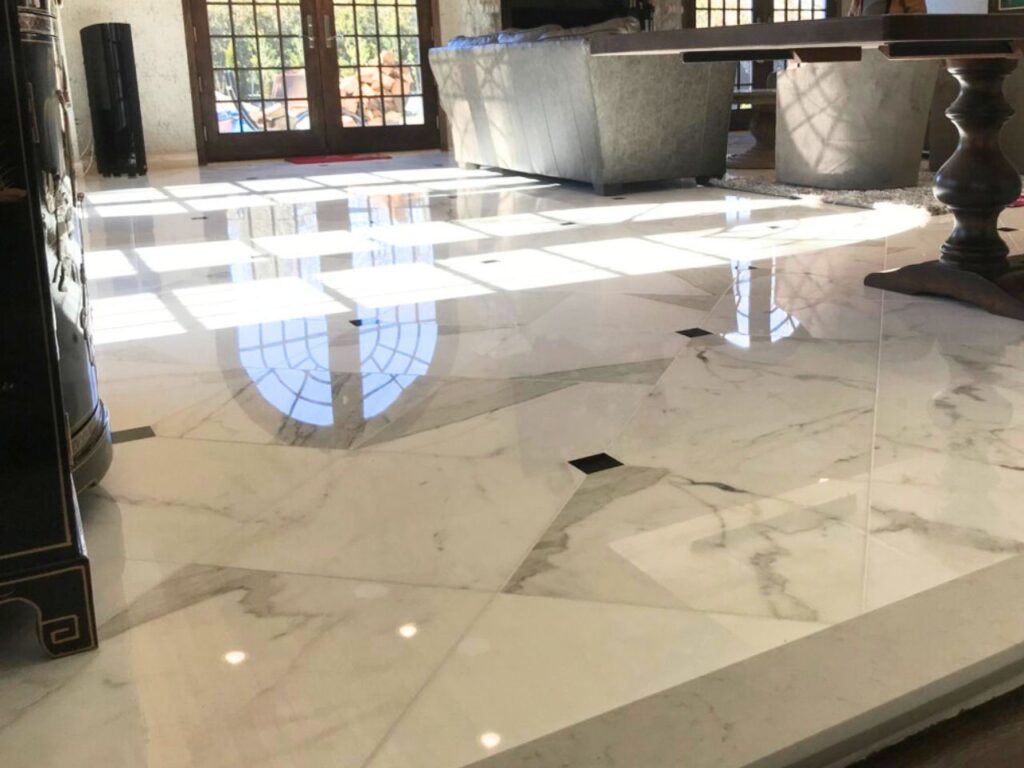
Yes, marble typically benefits from sealing.
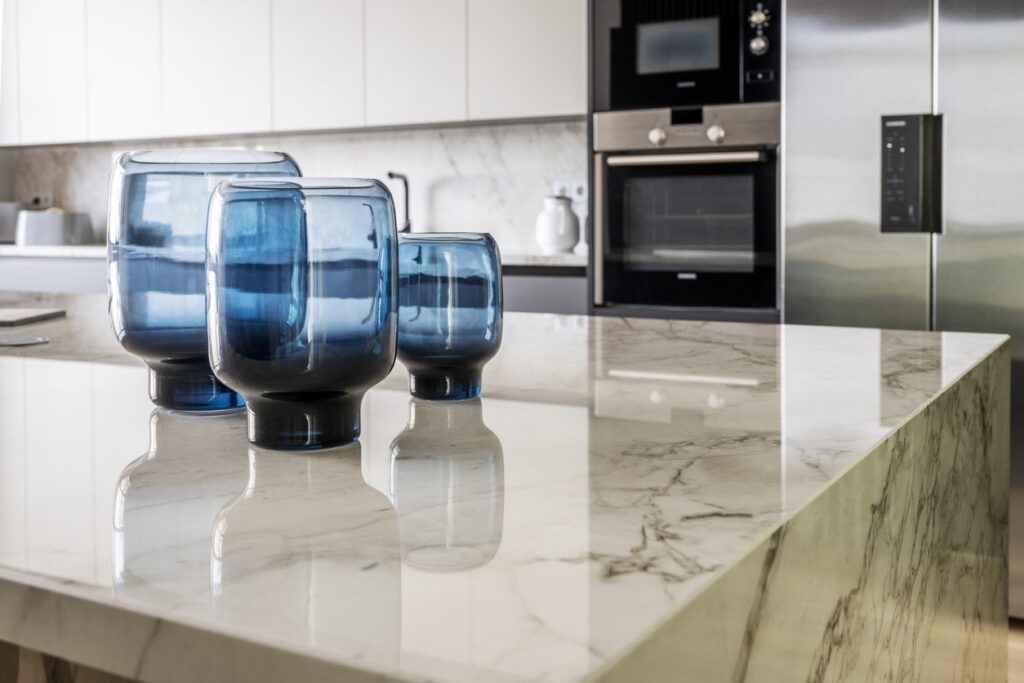
Although marble is relatively dense, it can absorb oils, cosmetics, food spills, and other contaminants that may cause staining. Marble is also susceptible to etching from acidic substances such as:
- Lemon juice
- Vinegar
- Wine
- Coffee
- Tomato products
A quality sealer can help reduce staining, but it will not prevent etching.
Common marble applications include:
- Kitchen countertops
- Bathroom vanities
- Shower walls
- Floors
- Fireplace surrounds
Does Granite Need to Be Sealed?
Usually, yes—but not always.
Granite is generally less porous than marble, limestone, or travertine. Some granite varieties are extremely dense and absorb very little moisture, while others benefit significantly from sealing.
Granite countertops are often sealed as a precautionary measure to help prevent oil and food stains.
A simple water absorption test can often determine whether a granite surface needs sealing or resealing.
Does Quartzite Need to Be Sealed?
Most quartzite surfaces benefit from sealing.
Quartzite is one of the hardest and most durable natural stones used in residential construction, but many varieties still contain enough porosity to absorb liquids over time.
Sealing can help maintain the appearance of quartzite countertops, especially in kitchens and other high-use areas.
Does Limestone Need to Be Sealed?
Yes.
Limestone is generally more porous than granite, quartzite, and many marbles. Because of this, sealing is highly recommended for most limestone installations.
Common limestone applications include:
- Floors
- Countertops
- Bathrooms
- Entryways
- Fireplace surrounds
Like marble, limestone is also vulnerable to acid etching, making proper protection especially important in kitchens and bathrooms.
What About Travertine, Slate, and Sandstone?
Travertine
Travertine is naturally porous and should generally be sealed to help prevent staining and moisture penetration.
Slate
Many slate varieties are relatively dense, but sealing can improve stain resistance and make routine cleaning easier.
Sandstone
Sandstone is one of the most absorbent natural stones and almost always benefits from sealing, particularly in exterior applications.
How Often Should Natural Stone Be Sealed?
There is no universal schedule.
The frequency depends on:
- The type of stone
- The quality of the existing sealer
- How heavily the surface is used
- Exposure to food, water, oils, and cleaning products
Some surfaces may require resealing every few years, while others may go much longer.
One of the easiest ways to check is with a simple water-drop test. If water quickly darkens the stone rather than beading on the surface, it may be time for a professional evaluation.
Is Sealing the Only Protection Option?
Not necessarily.
Traditional penetrating sealers remain the most common form of stone protection, but depending on the stone and how it is used, other protection options may also be available. For example, some homeowners choose advanced protective coatings or specialty surface protection systems to address concerns such as etching, staining, or heavy daily use.
The right solution depends on the stone itself and your expectations for maintenance and durability.
Professional Evaluation Matters
Every natural stone surface is unique. Two marble countertops may perform very differently depending on the specific material, finish, age, and condition of the stone.
At Stone Restoration Services, we help homeowners, designers, and property managers determine the most appropriate care and protection strategy for their stone surfaces. Whether you have marble, granite, quartzite, limestone, travertine, terrazzo, or another natural stone, proper maintenance can help preserve its beauty for years to come.
Need Help Determining Whether Your Stone Needs Sealing?
Stone Restoration Services provides professional stone cleaning, restoration, polishing, sealing, and protection services throughout Michigan. Contact our team to schedule an evaluation and learn the best way to protect your investment.